"Belly" & The Visual Narrative
Using High-End Cinematography as a Non-Negotiable Brand Asset
Powered by RedCircle
If you’ve seen Belly, you might not remember anything from the plot…because who really does.
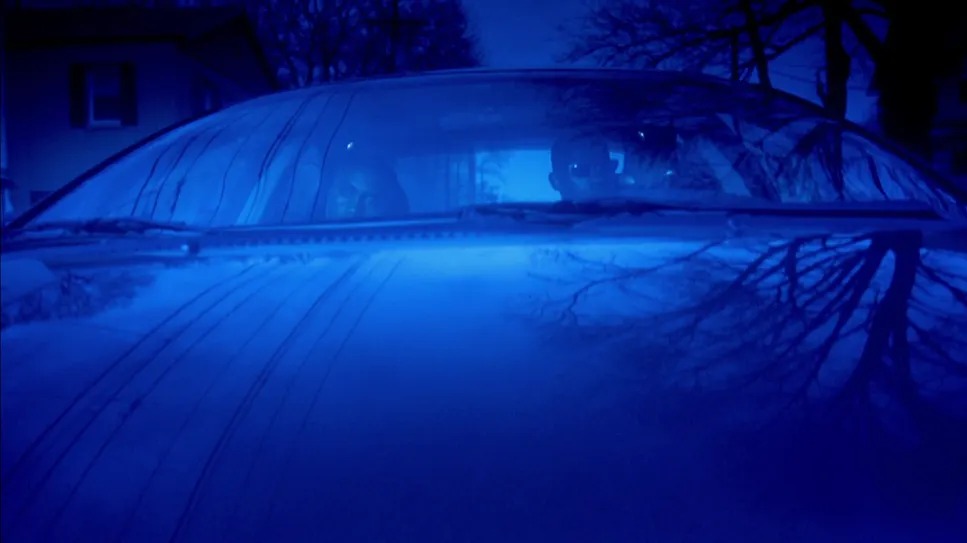
What you do remember is the aesthetic. The glowing blue hallways. The white-leather sanctuary. The high-contrast shadows that made every frame look like a museum piece.
Hype Williams didn’t just film a movie. He built a visual identity so strong it became a character itself.
Today we’re talking about visual narrative. In a world where everyone is selling a similar service, your aesthetic isn’t a luxury — it’s a non-negotiable brand asset. We’re auditing why vibes are actually high-level business intelligence.
The Setup: The Aesthetic Fallacy
In the corporate world, we often treat design as either an afterthought or — even worse — a distraction. We see founders spending months picking the perfect hex code for a disruptive app that doesn’t actually work yet. They think style is a mask for a lack of substance.
But Belly teaches us that visual authority isn’t about being pretty. It’s about being legible.
The aesthetic fallacy is the belief that more design equals more value. In reality, if your visual narrative is high-gloss but your operations are low-res, you aren’t building a brand, you’re building a facade. Hype Williams didn’t use blue lights because they looked cool. He used them to signal a stylish yet cold, high-stakes environment.
Style is a signal of hierarchy.
If your visuals are shouting, “Look at me!” but your value proposition is whispering, “I’m not sure,” you have a brand glitch. You are sending mixed signals to a market that doesn’t have time to decode your confusion. Before a single word of your script is read, your cinematography has already told the market exactly where you sit on the food chain.
Is your current visual identity a true reflection of your operational reality or are you over-designing the wrapper because you’re terrified of what people will see when they actually open the box?
The Audit: The “Hype” Standard
Why does Belly still influence every music video and fashion editorial more than twenty years later? Because it understood how to weaponize style. Here’s how you can use those same tactics in your business.
- The Signature Look (Visual Differentiation): Most brands are afraid of being too much. Belly leaned into a specific, high-end grime. It was neon and noir. In business, your visuals — from your UI to your slide decks — should be an immediate signature. If you look like a template, you’ll be treated like a commodity. (Especially using those AI flyers!)
- Cinematic Storytelling in Business: You aren’t just selling a service. You’re selling a world. Belly proved that style can carry a narrative even when the script is thin. When you build a cohesive visual world, your customers don’t just buy your product. They want to inhabit your space.
- The Lighting of Leadership: Look at how Sincere and Tommy are lit differently. Lighting tells us who is at peace and who is in chaos. In your career, how are you lighting your professional presence? Are you projecting clarity, or are you shrouded in visual noise?
Audit your screen. If someone saw your brand on mute — no copy, no sales pitch — would they still know it’s you? Style isn’t the wrapper. It’s the core product.
The Nightclub
We have to talk about that opening scene.
The nightclub in the blacklight. The glowing white eyes. No dialogue — just the music and the movement. It tells you exactly what kind of world you’re entering before a single line is spoken.
This is visual priming. Hype Williams didn’t wait for the plot to set the stakes. He used the aesthetic to hook your nervous system from the first frame.
In your world, what is your opening scene? Does your LinkedIn profile, your office lobby, or your pitch deck prime people for excellence or does it leave them waiting for the plot to get interesting?
The Suit Takeaway
Your aesthetic is your first impression and your last legacy. If the look isn’t right, the lead isn’t right. Stop treating your visual brand like a coat of paint and start treating it like the foundation.
Post a comment