"Dead Presidents" & The Sunk Cost Fallacy
Auditing Your Losses and Crafting a Professional Portfolio Career Transition.
Powered by RedCircle
We've audited pirates, dinosaurs, and pop-star obsessions. But for the finale, we're going somewhere raw. We're going to the Bronx and the jungles of Vietnam.
In the 1995 Hughes Brothers masterpiece Dead Presidents, we follow Anthony Curtis. He does everything right according to what he knows: he graduates high school, joins the Marines, serves his country, and survives the unsurvivable. But Anthony returns to an America that wants to forget the Vietnam War ever happened — and specifically, an America that has no room for Black veterans who come home with trauma and no title.
He's a man with S-Rank skills and a high-level security clearance, stuck in a low-level reality. Overqualified for the block and undervalued by the system.
Today, we're talking about the Sunk Cost Fallacy — the dangerous price of a desperate hustle — and why your exit strategy is more important than your entrance.
The Broken Social Contract
In business, we talk about the Social Contract — the unspoken agreement that if you put in the work, the organization will take care of you.
Anthony paid his dues in blood. But when he got back, the contract was shredded.
This is where the Sunk Cost Fallacy kicks in. Anthony feels like he has invested too much to walk away with nothing. He looks at the Dead Presidents — the cash — as the only way to get back what the war took from him.
In the corporate world, this looks like the employee who stays at a firm that ignores their contributions because they're waiting for a payout that's never coming.
But listen: you cannot win back lost years by wasting more of them on a desperate gamble. If the hustle is born out of systemic desperation, the ROI will almost always be tragedy.
So ask yourself: are you doubling down on your current path because it's the right move — or because the system has you feeling like you have no other choice?
The Audit: The Desperation Audit
The heist in Dead Presidents wasn't a strategic expansion. It was a desperate exit by men — and one woman — who were left behind by the country they believed in.
As much as I joke about robbing a bank, don't actually do that. Here's what you should do when planning your exit instead:
The Fragile Coalition
Anthony's team wasn't built on shared values. It was built on shared trauma and a lack of options. In business, a team built on desperation will always fold under pressure.
The Logistics of "The Burn"
They had a plan for the money. They didn't have a plan for the heat. A strategist audits the Post-Success Landscape. If winning the deal brings more heat than you can handle, you haven't won — you've just moved the target to your back.
The Sunk Cost of Loyalty
Anthony stays loyal to a crew that is increasingly unstable. In your career, loyalty to people who are no longer aligned with the mission is a sunk cost. Love them, but audit the alliance.
Operational Overreach
Being a great soldier doesn't make you a great heist lead. Stop trying to hustle in spaces where you haven't done the groundwork — even when you feel the walls closing in.
The strategy: the moment a hustle becomes desperate, it is no longer a strategy. It's a gamble. And when you're gambling against a system that already wants you to lose, the odds are never in your favor.
The Mirror Moment: The Face Paint
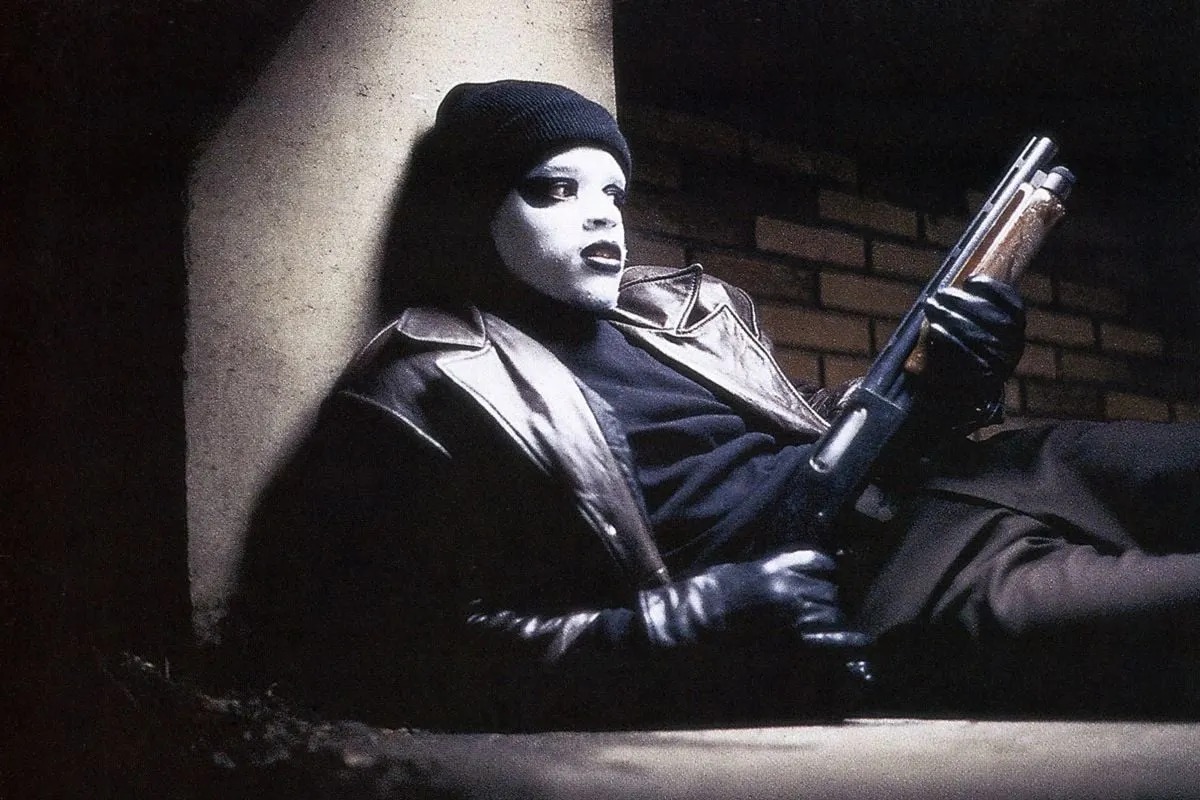
There's a moment before the heist where they put on white face paint.
They are putting on a mask to do a job that is beneath their character — because the world refused to see their true faces.
This is the Imposter Pivot. We're trading the camera for a mirror one more time.
When you have to compromise your ethics just to stay afloat because the legitimate path was blocked off for you, the cost of success has become too high. Anthony wasn't a criminal. He was a provider who was pushed to the edge.
If your suit requires you to become a ghost of yourself, you aren't winning. You're losing your soul to the Dead Presidents.
The Season Finale Takeaway
No amount of Dead Presidents is worth a Dead Future.
Know your worth before the market tells you what it is. Know your sunk costs before they bury you. And always — always — have an exit strategy that doesn't involve a burning bridge or a heist where the score is in an armored vehicle.
Post a comment