"Kotaro Lives Alone" & The Strong Friend Audit
Powered by RedCircle
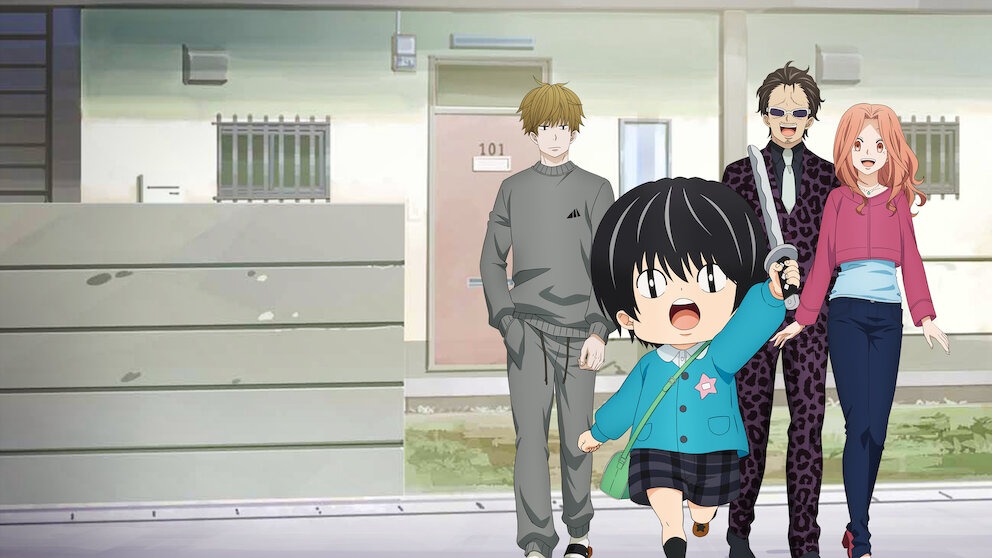
He carries a plastic sword on his hip. He speaks in refined feudal Japanese phrasing. He pays his own rent with money from an undisclosed estate, buys high-end tissues in bulk, and lives completely alone in apartment 203.
He is Kotaro Sato. And he is four years old.
In the anime Kotaro Lives Alone, we see the ultimate hyper-exaggerated manifestation of radical autonomy. Kotaro isn't living alone because it's cool. He's doing it because he learned far too early that the adults in his life weren't coming to save him.
Today, we're auditing the strong friend. We're looking at the high-performing executives, consultants, and founders who wear extreme self-sufficiency like a badge of honor — without realizing it's actually an operational silo holding them hostage.
Extreme Self-Sufficiency Is a Trauma Response
In corporate culture, we celebrate the person who never asks for help. We praise the manager who stays until 10 PM fixing everyone else's mistakes. The entrepreneur who bootstraps everything without a team. The strong friend who is always the therapist — but never the patient.
But as a consultant, I'll tell you: extreme self-sufficiency is rarely a skill. It's often a trauma response.
When you've been let down by leadership, poorly onboarded, or abandoned by a former partner, your brain builds a defense mechanism that says: If I do it all myself, no one can fail me. But that mindset caps your scale. You can't build an enterprise if you're still carrying water by hand like a feudal peasant.
So here's the question: Are you refusing to delegate because your team isn't capable — or are you holding onto control because asking for help feels like an admission of defeat?
The Audit: The Genuine Radiance Radical Autonomy Framework
- Audit the Tissue Budget — Identify Your Coping Mechanisms: Kotaro buys expensive soft tissues in bulk because when he was left alone without food, eating sweet tissues was how he survived. It was a functional coping mechanism for a child, but as an operational strategy, it's a symptom of neglect. In your business or career, what are your sweet tissues? What high-cost, short-term workarounds are you using to mask a lack of structural support? Maybe it's paying for five different software subscriptions to fix a workflow problem that really just requires delegating to a human. Maybe it's working through weekends because you refuse to build an onboarding document for a contractor. Audit the line items in your daily routine and ask: Am I spending resources to manage a systematic void, or am I building a real system to replace it?
- Build Your Apartment 203 Community: Karino, Mizuki, and Isamu didn't sign up to be Kotaro's parents. They became his support ecosystem. True leadership isn't about finding an authority figure to save you — it's about building a lateral network of peers who keep you grounded. Your community isn't a weakness. It's your infrastructure.
- The Vulnerability Pivot: Kotaro's strength grows when he admits he wants to be strong for his people, not isolated from them. Delegating tasks and asking for assistance isn't weakness. It's an efficiency upgrade. Open the door. The next time a project gets overwhelming, don't double down on solo overtime. Draft a clear delegation memo and pass the mic.
The Bathhouse
There's a moment in this anime where Kotaro goes to Karino's door and knocks to ask him about the shower. Karino tells him there's a bathhouse down the street.
Eventually, Karino notices that Kotaro is going to this bathhouse in the dark....by himself....at four years old. So, Karino decides to walk with him. Kotaro — being the self-sufficient tyrant he is — protests. Karino walks with him anyway. But he walks a few paces behind Kotaro.
Kotaro still gets to think he's walking alone like a brave samurai. But Karino stays close enough to make sure he doesn't get hurt in the dark.
This is what peer stewardship looks like. Good partners don't steamroll your independence. They safeguard your path while you build your confidence. You don't need a boss to micromanage you. You need a Karino in your network who keeps an eye on your operational blind spots while you do your work.
The Suit Takeaway
You were not designed to carry the firm, the family, and the future entirely on your own shoulders. Even feudal lords need neighbors. Opening the door isn't a surrender.
It's a strategy.
Post a comment