"Swarm" & the Parasocial Brand
Brand Identity Protection: The Dangers of Losing Your Competitive Edge to "Stan" Culture
Powered by RedCircle
We talk a lot about brand loyalty.
We want customers who love us and employees who believe in the mission. But there is a point where loyalty stops being a business metric and starts being a mental health crisis.
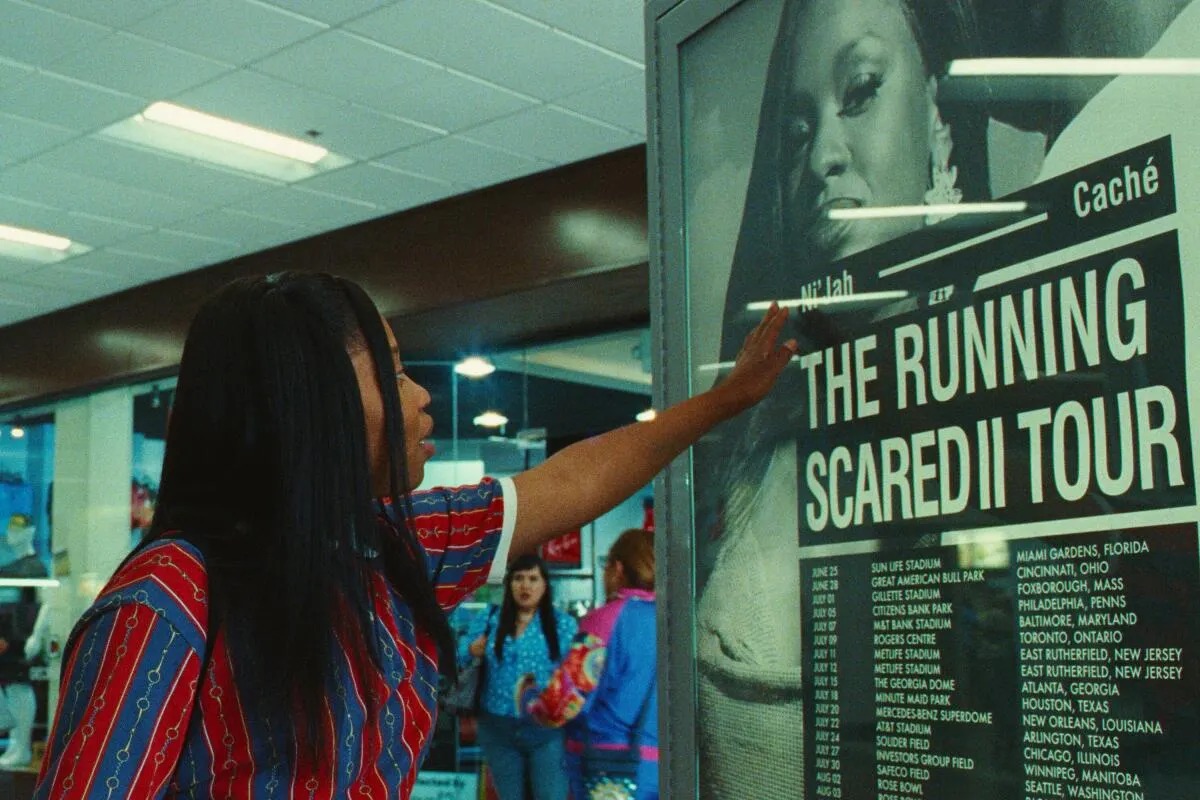
In Donald Glover and Janine Nabers' dark masterpiece Swarm, we follow Dre. She isn't just a fan of the global pop icon Ni'Jah — she is a disciple. She has tied every ounce of her self-worth, her finances, and her sanity to a woman she has never met.
In the Suit world, we call this The Parasocial Trap.
It's what happens when you decide that your identity is secondary to the service of an icon.
The "Brand Ambassador" Myth
Companies love the term Brand Ambassador. They want you to live and breathe the logo. But there is a difference between representing a brand and being consumed by it.
In the corporate space, I see this with employees who have been with a company for decades. The ones who have been there so long they don't know who they are without their business card. They've spent years in service to an icon — whether that's a celebrity CEO or a Fortune 500 name — and they've forgotten that the brand doesn't know their name.
Ni'Jah doesn't know Dre exists. Your CEO might not either.
If your identity is entirely wrapped up in a system that views you as a line item, you're in the Swarm.
So here's my question: if your icon — your job, your mentor, your favorite brand — disappeared tomorrow, what would be left of you?
The Audit: The Identity Erasure Framework
Dre's journey is a cautionary tale of what happens when you have no boundaries. Here is the Jennuine Raydiance Parasocial Audit:
The Service Fallacy
Dre believes she is helping Ni'Jah by defending her honor. In business, we call this Hero Culture. You stay late, you sacrifice your peace, and you defend the company's mistakes as if they were your own.
Ask yourself: is the brand serving you, or are you just serving the brand's ego?
Financial Self-Sabotage
Dre spends money she doesn't have on tickets and tribute. (I, too, may have done this for a concert or two. Or an item from BoxLunch.) In your career, this is investing in the wrong equity. You're spending your intellectual capital building someone else's dream while your own stats stay sitting in a drawer.
The Echo Chamber
The Swarm is a digital beehive where everyone agrees. If your professional circle only consists of people who worship the same icon, you've lost your market perspective. You aren't a strategist anymore. You're a follower.
The Erasure of the "I"
By the end of the series, Dre is barely a person — she is a vessel. If you can't describe your skills without using your company's name, you have been erased.
The strategy: you are the primary brand. The company you work for is a client. The icon you follow is a reference point. Never let the service of an icon become the death of your own potential.
The Face in the Crowd
There's a haunting moment where Dre finally gets close to the stage and sees herself as part of the icon.
There were many moments in this series where I paused to check in with that imaginary camera.
What Dre is experiencing is the Delusion of Proximity. Just because you have the CEO's email doesn't mean you have their power. Dre thought she was Ni'Jah's sister. Ni'Jah just saw another face in the crowd.
Don't mistake access for ownership. Being in the room is not the same as owning the room.
If you lose your identity to get close to power, you'll find that when you finally get there — there's nothing left of you to enjoy it.
The Suit Takeaway
Service is a contract, not a religion. Check your devotion, check your boundaries, and always make sure you are the one holding the stinger. Don't let the buzz of a big name drown out your own voice.
Post a comment