"The 6th Man" & The Solo Transition
Powered by RedCircle
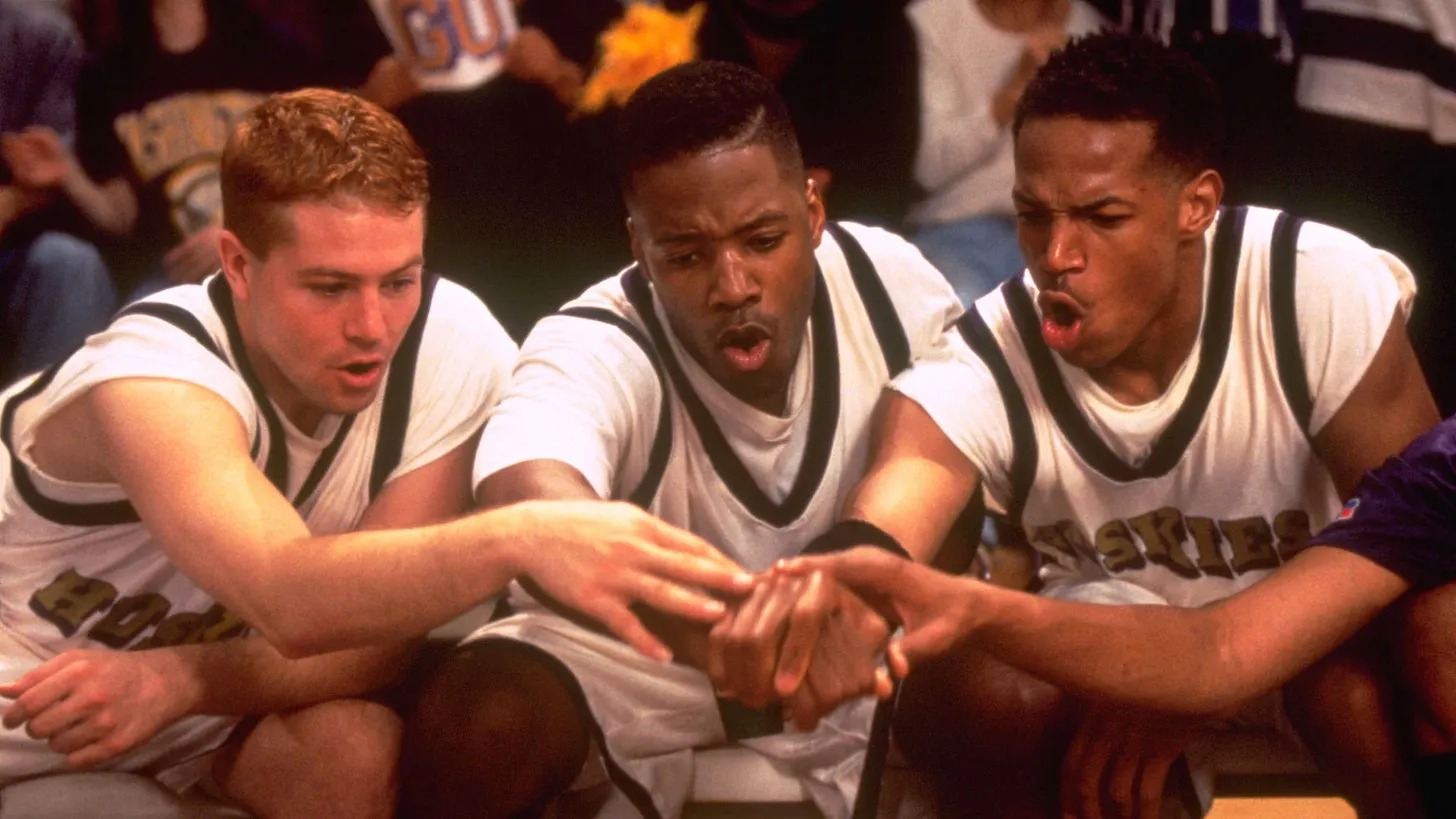
Antoine Tyler is the star. He is the highlight reel, the energy, and the literal soul of the A&T basketball team. But in the middle of a fast break, the unthinkable happens: the heart of the team stops beating — literally.
Suddenly, his brother Kenny is left standing at half-court, holding a ball he was only ever supposed to pass.
In my favorite 1997 sports comedy, The 6th Man, we see the ultimate crisis of Key Person Risk. When the star of the firm is removed from the roster, the entire organization goes into a psychological and operational tailspin. The team tries to keep winning by leaning on a ghost — but you can’t build a sustainable future on the memory of how things used to be.
Today we’re auditing the bench. We’re talking about what happens when your primary support system — your mentor, your partner, your star — leaves the room, and you have to decide if you’re a supporting character or the new head of operations.
The Setup: The “Ghost” in the Workflow
Most of us build our professional identities as a duo. You have that one person who covers your blind spots or comes in the clutch as the 6th man who saves you when the clock is winding down. But depending on a single person for your brand’s stability is a strategic liability.
Kenny Tyler’s struggle wasn’t a lack of talent. It was a lack of identity ownership. He was waiting for a ghost to tip the ball in because he didn’t believe his own stride was enough to win the game.
If your 6th man left today, would the game end or would it just be the start of your star season?
The Audit: The Support System Pivot
Kenny didn’t win the championship because his brother came back. He won it because they finally believed in themselves enough to tell Antoine to do the same.
Here is the framework for navigating the solo transition:
- Auditing the Dependency (The Roster Stress Test): You have to identify where the Ghost lives in your workflow. If your business partner left today, what percentage of your operations would collapse? That is your Volatility Score. You need to diversify your support so that no single departure is terminal.
- The Operational Void (Ghost-Free Governance): In the movie, the team only starts playing real basketball when they stop looking for supernatural help. In business, this is Standardizing the Vibe. You have to move the Magic out of one person’s head and into a repeatable system the whole team can execute.
- Reclaiming the “Lead” (The Stride Audit): Kenny had to realize he was a Star in his own right. In consulting, this is the Principal-Agent Pivot. You stop acting as the agent for someone else’s vision and start acting as the principal owner of your own talent.
Don’t wait for a crisis to find out if you can play solo. Start taking the final shot now — while the support system is still there — so you know exactly how the ball feels in your hands when the court goes quiet.
The Invisible Legacy
There’s a moment where Antoine is literally moving the players like chess pieces on the court. It looks like success. But it’s actually operational sabotage.
The team isn’t learning how to play. They’re being puppeted by a legacy that is no longer theirs.
If your support system is doing the work for you instead of empowering you to do it, they aren’t a 6th man. They’re a bottleneck. You can’t scale a business on an invisible assist. True support builds your capacity so that when they leave, the only thing that changes is the name on the door — not the quality of the output.
The Suit Takeaway
A support system is a trampoline, not a crutch.
Use it to get higher but don’t forget how to land on your own two feet. The ghost might be helping you score today, but he’s also keeping you from becoming the leader the team actually needs for the next season.
When the invisible assist disappears, the only thing left on the court is your own preparation. Make sure it’s enough to carry the win.
Post a comment