"The Gilded Age" & The Market Entry Strategy
How "New Money" Disruptors Outmaneuver Established Industry Gatekeepers.
Powered by RedCircle
If you've ever walked into a room where you know you're the most qualified person there, but the air suddenly feels thin. If you've sent the emails, hit the KPIs, and built the product, only to have a manager look right through you like you're invisible . This episode is for you.
They'll tell you that you haven't paid your dues. They'll tell you that you don't fit the culture. They'll tell you that you don't have the skills to do what you're already doing on a larger scale.
But what they're actually saying is: "I'm terrified that if I let you in, everyone will realize there's no need for me if they have you."
The Setup: New Money, Old Rules
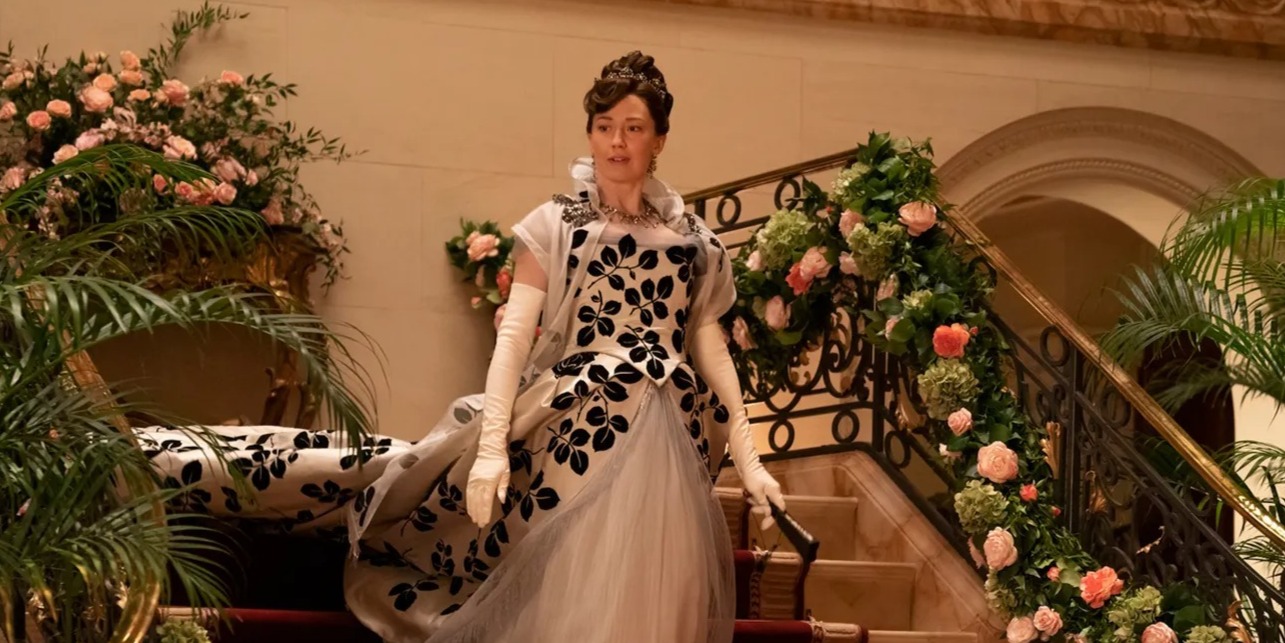
The Gilded Age takes us to 1880s New York. It's a battle between the Old Money elite — led by Mrs. Astor — and the New Money Russells. George Russell is a railroad tycoon, and his wife Bertha is a social visionary determined to break into a society that wants nothing to do with her.
It's essentially a 19th-century story of a startup founder trying to take down a legacy monopoly, but Bertha didn't just want a seat at the table. She wanted the deed to the building.
Legacy firms will literally watch a project fail before they let a new, diverse voice take the lead. They aren't gatekeeping to protect quality. They're gatekeeping to protect market share.
But Bertha doesn't beg. She out-executes. She realizes that the familiar faces of society are usually just a group of people who got there first — not people who are doing it better.
So to my founders and creatives: are you spending more time asking for permission to enter the room than you are building a room of your own?
The Audit: The Bertha Russell Playbook
Bertha Russell doesn't spend her time begging for a seat at the table. She spends her time out-executing the people who own the table. If you're a founder or creative being told you don't belong, Bertha has given you a masterclass. This is now your business plan.
Own the Infrastructure: The Railroad Strategy
In the show, Bertha's husband owns the tracks. In your world, this means owning your distribution. Stop building your entire business on someone else's rented land — an Instagram algorithm, a TikTok trend. Build your email list, own your domain, and create a platform you control. If the gatekeepers won't let you through the door, build the road that leads to a different city entirely.
Poach the Legacy Talent
Bertha hired the best French chef and the most prestigious butler from the other houses. In real life, this means stepping up your networking game. Partner with the veteran who just retired from the legacy firm. Hire the freelancers who used to work for the big guys. Bring that Old Guard expertise into your New School vision. It gives you immediate institutional credibility without the institutional baggage.
Visual Authority: The Mansion Flex
Bertha used her house as a silent pitch deck. For you, this is your brand identity. If you're a small agency, your website shouldn't look small. It should look like the standard the big firms are trying to reach. When you look like the future, the Old Guard starts to look like the past.
The Strategic "No": The Charity Play
Bertha knew when to withhold her resources. In business, this is knowing your worth. If a legacy brand offers you a partnership that is actually just them using your talent for free, the answer is no. When you say no to a bad deal, you signal to the market that your yes has a high price tag.
The strategy: when you're a disruptor, "just as good" is a losing game. You have to be exponentially better. You have to make the Old Guard look like they're still using fax machines while you're operating in the cloud.
Rejection as a Metric
There's a moment where the ladies of high society reject Bertha's donation to a charity because the meeting was being held in a New Money house.
Look at the imaginary camera with me.
These people would rather lose resources, progress, and profit than share power with someone who earned their way in instead of being born into it.
When an organization prioritizes tradition over progress, they have entered the decline phase of the corporate lifecycle. When they tell you no, they are actually giving you a gift. They are telling you they are too stagnant to compete with you.
Don't waste your energy trying to change their minds. Spend it building the alternative.
The Suit Takeaway
This episode is for the Berthas of the world. (Agnes van Rhijn is my forever favorite in this show — don't argue with me — but this one's for Bertha.)
It's for the founders who were told their ideas were too bold. The creatives who were told they needed more experience by people who haven't had an original thought in twenty years.
Stop auditioning for people who are afraid of your talent. A seat at their table is just a chair in a room that's losing its air.
Build a ballroom so spectacular, a brand so efficient, and a narrative so powerful that the Old Guard has no choice but to acknowledge the new standard.
Post a comment